U.S. Applicants: Get Free MIB Report Before Applying for Life Insurance


You can request your MIB Consumer File for free once every 12 months if one exists, and reviewing it before or after underwriting is worth the ten minutes it takes. MIB data influences life insurance underwriting, but it never makes the final call on its own. If you find an entry that looks wrong, request the file, document your case, and file a dispute right away.
TL;DR:
Your MIB file typically includes coded flags for medical conditions, hazardous activities, and previous application outcomes, usually retained for 3 to 7 years.
Request your free MIB report at least a few weeks before applying for new coverage to identify and dispute any inaccuracies early.
Disputing an error involves providing supporting medical records or insurer letters, which MIB forwards to the original filing insurer for investigation.
An MIB flag prompts follow-up questions but rarely leads to automatic rejection, with insurers mainly requesting clarifications or additional records.
Having an experienced agent assist in reviewing your MIB file and framing disputes can improve your chances of a smooth underwriting process.
Table of Contents
What Is a MIB Report for Life Insurance, and Why Do Insurers Use It?
MIB (Medical Information Bureau) is a member-owned specialty consumer reporting agency, not a government office or a credit bureau. Life insurance carriers who belong to MIB share coded underwriting information with each other so they can spot inconsistencies between what an applicant reports and what a previous insurer recorded.
Say you apply for a $500,000 term policy and tell the carrier you’ve never been treated for high blood pressure. If a different insurer flagged that same condition in an application two years earlier, MIB’s database surfaces the mismatch. That doesn’t mean you get denied. It means the new carrier now has a reason to ask follow-up questions.
MIB exists mainly to catch three things:
Inconsistencies between what you state on one application and what you stated on another
Omissions, where an applicant leaves out a condition or activity a prior insurer already recorded
Patterns that suggest possible fraud, such as applying for large amounts of coverage across multiple carriers in a short window
What MIB does not do is store your actual medical records. The entries are short alphanumeric codes tied to broad categories, and they never replace a carrier’s own investigation, according to MIB’s own explanation of its underwriting services.
What Shows Up in an MIB Consumer File and Who Has One
Not everyone has an MIB file. You’ll typically have one only if you’ve applied for individually underwritten life, health, disability, or long term care insurance through a carrier that belongs to MIB. Group coverage through an employer usually doesn’t generate an entry, since those policies skip individual underwriting.
When a file does exist, it commonly includes:
Coded flags tied to reported medical conditions, from cardiac issues to diabetes to mental health treatment
Hazardous activities you disclosed, like scuba diving, aviation, or motor racing
The name of the member insurer that submitted the report and the date it was filed
Notations tied to previous application outcomes, such as a decline or a postponed decision
Retention matters here. Underwriting-related entries are generally traceable for around 7 years, though industry explainers commonly cite a range closer to 3 to 7 years depending on the type of entry and when it was reported. An old entry from a decade ago likely won’t surface at all.
How to Request Your MIB Report
Getting your MIB Consumer File is simpler than most people expect, and you’re entitled to a free copy once every 12 months under the Fair Credit Reporting Act.
Choose your request channel. MIB accepts requests online through its disclosure request portal, by an automated phone line, or by mailed written request, according to MIB’s own disclosure page.
Have your identifying information ready. Expect to provide your full legal name, date of birth, the last four digits of your Social Security number, and your current and prior mailing addresses.
Sign a certification. Written requests require a signature under penalty of perjury confirming you’re the person requesting the file, a standard step for any consumer reporting agency verifying identity.
Wait for the response. Disclosure requests are generally handled within timelines set by consumer protection standards.
Read the result. If no file exists, MIB will tell you directly. That’s a good sign. It usually means no prior insurer has filed anything that would trigger a follow-up question on a new application.
Pro Tip: Request your file at least a few weeks before you apply for new coverage, not after. That gives you time to fix any surprises without holding up your application timeline.
How to Dispute an Error in Your MIB File
If something in your file looks wrong, outdated, or doesn’t match your actual medical history, you have the right to dispute it. Start by writing directly to MIB and explain exactly what’s inaccurate and why.
Strong documentation makes a real difference here. The most effective evidence tends to be contemporaneous medical records or a direct letter from the insurer that filed the original entry confirming the mistake.
Attach records, lab results, or physician letters that contradict the disputed entry
Note dates, provider names, and any reference numbers tied to the original application
Keep copies of everything you send and every response you get back
Once MIB receives your dispute, it forwards the challenge to the member insurer that originally filed the report. That insurer investigates and reports back, and MIB updates the file if the challenge holds up. This mirrors the reinvestigation process laid out under the Fair Credit Reporting Act, which governs how consumer reporting agencies must handle disputes.
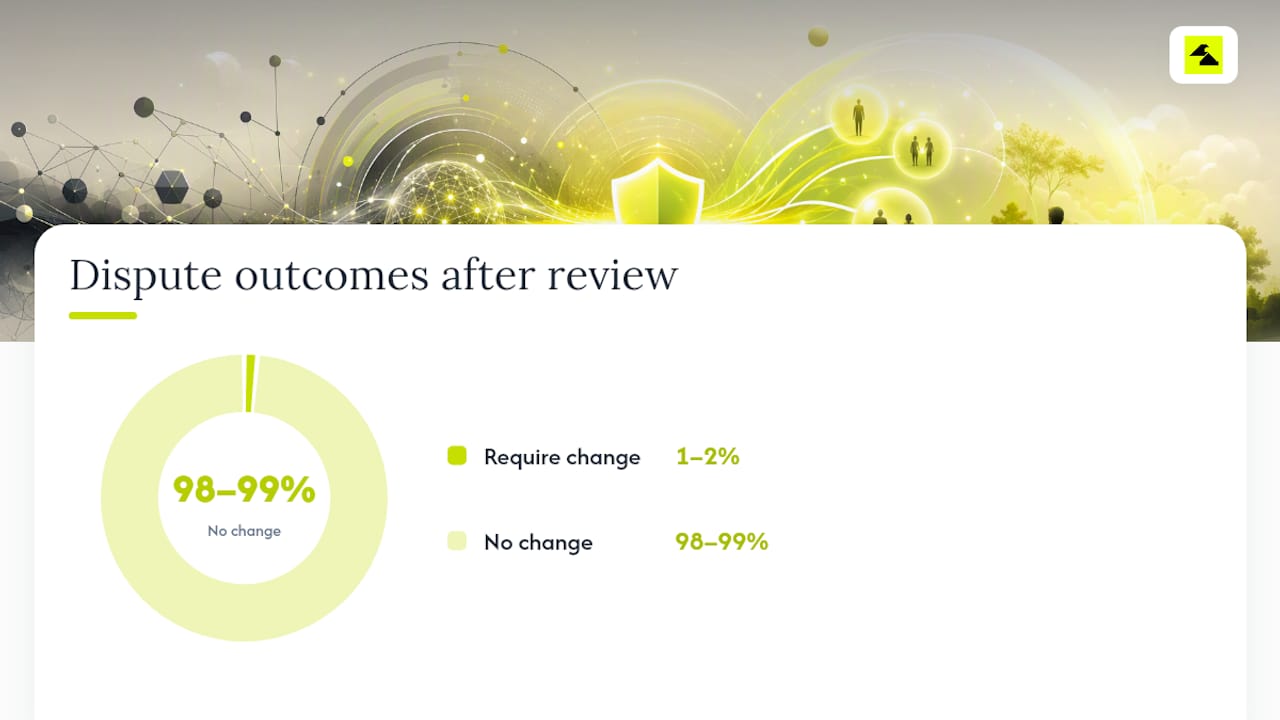
Errors are uncommon. MIB itself reports that only about 1 to 2% of disclosures require a change after review. But if you’re one of that small percentage, an inaccurate entry can genuinely delay or derail an application, so it’s worth the effort to fix. If a carrier ever tells you it made an adverse decision partly because of an MIB entry, you’re entitled to an additional free disclosure beyond your annual copy.
Pro Tip: Ask the reporting insurer directly for a copy of what they filed. Comparing their version against MIB’s coded entry often reveals exactly where the mismatch happened.
How an MIB Entry Actually Affects Underwriting
An MIB flag triggers questions. It doesn’t trigger an automatic decline, and it’s worth separating those two ideas clearly in your head.
When an underwriter sees a coded entry, the typical next step is a request for more information, not an outright rejection. That could mean:
A written clarification request asking you to explain the discrepancy
An order for additional medical records or an updated exam
A rating adjustment (higher premium) if the underwriter confirms a real risk factor
In rarer cases, a decline, but only after the carrier has actually investigated, not on the strength of the MIB code alone
If a carrier contacts you about something flagged in your file, respond quickly and supply records that support your side. Loop in your agent if you’re working with one. They’ve seen this pattern before and often know exactly which documents an underwriter wants to see. Keep a written log of every call and email, since underwriting reviews can drag on for weeks and details slip if you’re not tracking them.
Readers dealing with a specific condition flagged in their file may find it useful to look at how underwriting typically handles cardiac conditions like atrial fibrillation or how impaired risk applicants navigate a rated offer instead of a decline.
Get Ahead of It: A Pre-Application Checklist
The smartest move is checking your file before a carrier ever runs it against you.
Pull your MIB disclosure first, especially if you’ve applied for coverage before or had a significant health event in the last several years.
Gather supporting documents now. Medical records, prescription histories, and treatment dates that back up how you plan to answer application questions save you weeks later.
File any disputes early. A reinvestigation started before you apply is far less stressful than one started mid underwriting, and it gives you a paper trail to hand your agent if questions come up.
If you’re recovering from a recent event, it’s also worth reading about how applicants have secured better rates after a heart attack, since the strategy for presenting records to underwriters matters almost as much as the records themselves.
Publisher Perspective: When It Pays to Get Help
Reviewing your own MIB file is straightforward. Interpreting a coded entry against a specific carrier’s underwriting guidelines is a different skill entirely, and it’s where most applicants get stuck. An experienced agent can help you gather the right records, frame a dispute so it actually moves, and talk to underwriting directly instead of leaving you guessing. If your file is clean, do it yourself. If there’s an entry you don’t fully understand, get a second set of eyes before you submit anything.
— Jib Hunt
Sources
Start with MIB’s disclosure request page and its underwriting services overview. For consumer rights under federal law, see the CFPB’s MIB profile and the FTC’s FCRA statute page. Your state insurance department can also help with unresolved carrier disputes.
Once your file is clean and you understand how any flagged entries might play out, comparing life insurance and annuity quotes from multiple carriers with East Two West is a practical next step, especially if you want an advisor who can speak directly to underwriting on your behalf.
This article is general information, not a substitute for advice from a qualified financial advisor. Consult a qualified financial professional about your own circumstances before acting on anything here.
FAQ
How can I obtain my MIB report?
Request it online, by phone through MIB’s automated line, or by mail, providing your full name, date of birth, Social Security number’s last four digits, and current and past addresses along with a signed certification.
How long does MIB keep records?
Underwriting-related entries are generally traceable for around 7 years, though some industry sources cite a range closer to 3 to 7 years depending on the entry type.
How can I get a free MIB report?
Under the FCRA, you’re entitled to one free MIB Consumer File disclosure every 12 months, and you may qualify for an additional free copy if a carrier cites MIB in an adverse underwriting decision.
Do all insurance companies use MIB?
No. Only insurers who belong to MIB as member companies contribute to and check the database, and you’ll only have a file if you’ve applied for individually underwritten coverage through one of them.
Recommended
Comments